What will holidays look like in the future? Moon tourists, rainforest pop-ups and other predictions
Advertisement
CNA Lifestyle
What will holidays look like in the future? Moon tourists, rainforest pop-ups and other predictions
With one-half of the world's population expected to exist going on holidays xxx years from at present, futurologists envision 5 types of travel that will take identify in the afar future.
(Photograph: Pixabay/Stux)
Ane in two people globally will take an international holiday in 2050, compared with 1 in 7 now. That gauge, from futurology volume 2050 – Tomorrow'southward Tourism, would mean not far off v billion travellers on the move every yr.
They may have to book alee. Visitors may face limits to tourist numbers such as the currently rare case of Barcelona's cap on visitor accommodation, introduced 2 years ago.
Or they may meet high fees. Bhutan, on the edge of the Himalayas, has a daily tourist charge of at to the lowest degree US$200 (S$271) per day, intended to protect the local surround.
"Tourism is about residuum," says Ian Yeoman, associate professor of tourism futures at Victoria University of Wellington, New Zealand, and the book's lead writer. "It will always exist here. The question will be how we manage it."
Effectually THE Earth IN 40 MINUTES
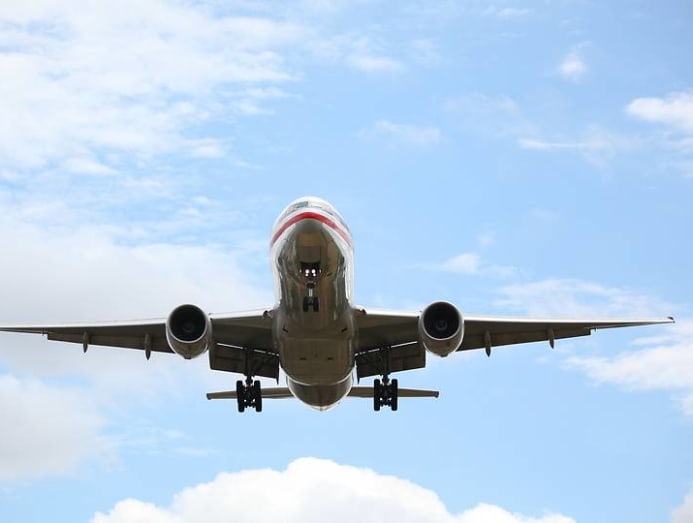
Brusk city breaks are likely to grow in popularity, futurologists predict, but people may be travelling further afield, in a shorter time, than they do now. As technology advances, making aircraft faster and more than efficient – fifty-fifty hypersonic – a weekend break could mean a iv-60 minutes flying from London to Shanghai.
Travellers may prefer to take the "hyperloop" envisaged past entrepreneur Elon Musk. "It could take 20 minutes to travel from London to Rome, travelling in a vacuum tube – similar to the tubes that supermarket cashiers in the 1960s used to ship cash from the till," says Frank Shaw, foresight director at the Centre for Futurity Studies at Kent Academy in the UK.
On the other manus, the evolving nature of careers, with more people working remotely, is probable to blur the boundaries of what a vacation ways.
"The borders between piece of work and leisure are disappearing," says Kai Landwehr, head of marketing at Myclimate.org, a campaigning organization in Switzerland. "For 10 months of the year, you lot could be abroad."
POPPING UP IN THE RAINFOREST
Tourism may become a moveable feast. Hotels underwater and rainforest pop-ups are possible, specially if the structures can be congenital – and taken downward – in a style that does not degrade the surround. They could fifty-fifty be moved between destinations, according to their popularity.
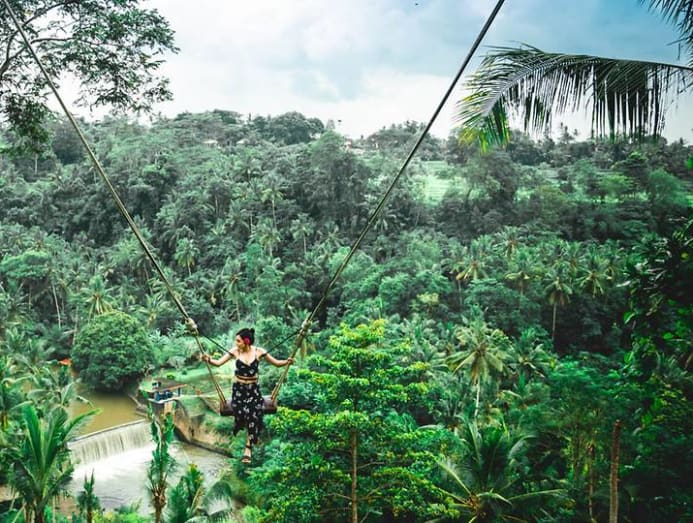
"Nosotros had a popular-upwardly hotel in Munich – using a disused edifice – it was a huge success. Empty offices could be used as pop-ups for travel," says Xenia zu Hohenlohe, co-founder of Considerate Group, which advises hospitality companies on how to operate responsibly.
Shaw agrees: "Maybe nosotros'll have temporary structures and then y'all could become to the Amazon wood for a fortnight, and then the facility is moved elsewhere."
It is likewise likely that tailor-made trips will ascension in a more than fragmented market, where people extend their hobbies such every bit gastronomy into holidays. In 2050, for example, Yeoman sees a 135-year-one-time chef teaching travellers how to make kimchi in Republic of korea.
Couch POTATO TOURIST
Technology is expected to play a huge part in driving alter and virtual reality volition redefine what nosotros hateful by having a vacation. One such VR experience available today is Birdly, which allows users to wing like a bird through the streets of New York.
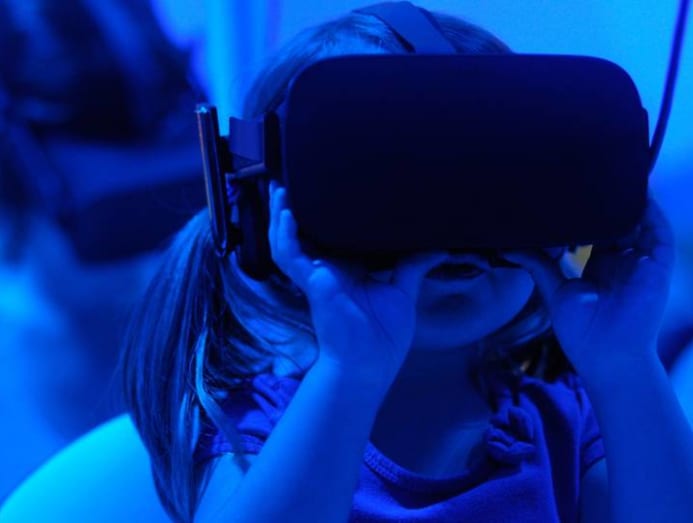
Engineering will connect with our emotions so that "we will want to not only see Thailand simply how information technology feels", says Landwehr. "Y'all could end up with fewer people travelling and instead taking a virtual trip."
Our perceptions could even be altered, so that like in the blockbuster movie Avatar it would exist hard to distinguish between what is real and what is virtual. "The perception is that you lot are there and you would really be there," says Shaw. "Yous could sign the Magna Carta on your vacation."
TO BOLDLY GO A LITTLE Further
Meanwhile, engineering science is too i of the key drivers of the future where infinite tourism is concerned. "Everything else Star Trekky is possible," Yeoman wrote in his book.
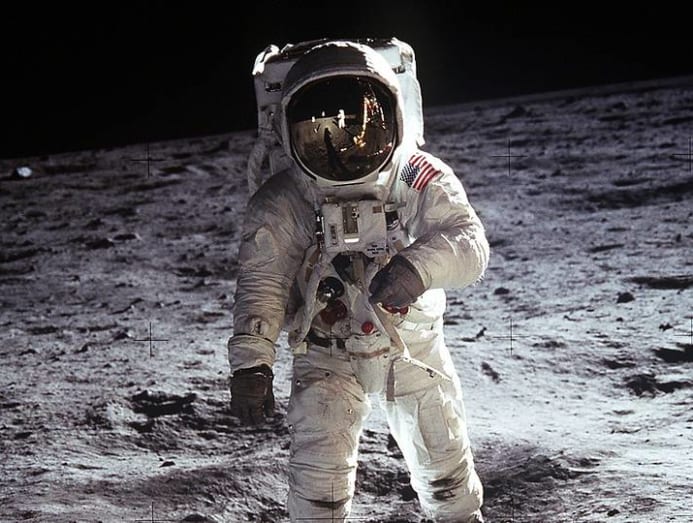
Virgin Galactic is already aiming to provide suborbital flights, including several minutes of weightlessness. By 2050, travellers could enter the stratosphere and meet the view of a lifetime.
Could space tourism go one step further, to a end on the moon? If then, information technology volition remain a pastime for the super-rich, say futurologists. Later on all, Dennis Tito reportedly paid The states$20m to get the first infinite tourist in 2001.
Get AWAY FROM IT ALL
If all of those trips sound like a nightmare, there is no need to worry, because these futurologists remember information technology volition still exist popular to switch off and become on a voyage of cocky-discovery, as popularised past Julia Roberts in Eat, Pray, Beloved.
The industry will respond particularly to tourists anile from 60 to 100 as that demographic bracket increases, globally. "That blazon of isolation and getting back to basics with nature" will exist appealing, Mr Yeoman predicts, as people endeavour to discover relaxation, stay healthier for longer and avoid overcrowded tourist spots.
By Lyndsey Jones © 2022 The Financial Times

Recent Searches
Trending Topics
Source: https://cnalifestyle.channelnewsasia.com/travel/travel-trends-future-holidays-tourists-226886
0 Response to "What will holidays look like in the future? Moon tourists, rainforest pop-ups and other predictions"
Post a Comment